Turning festival attendance into a fundable engagement model
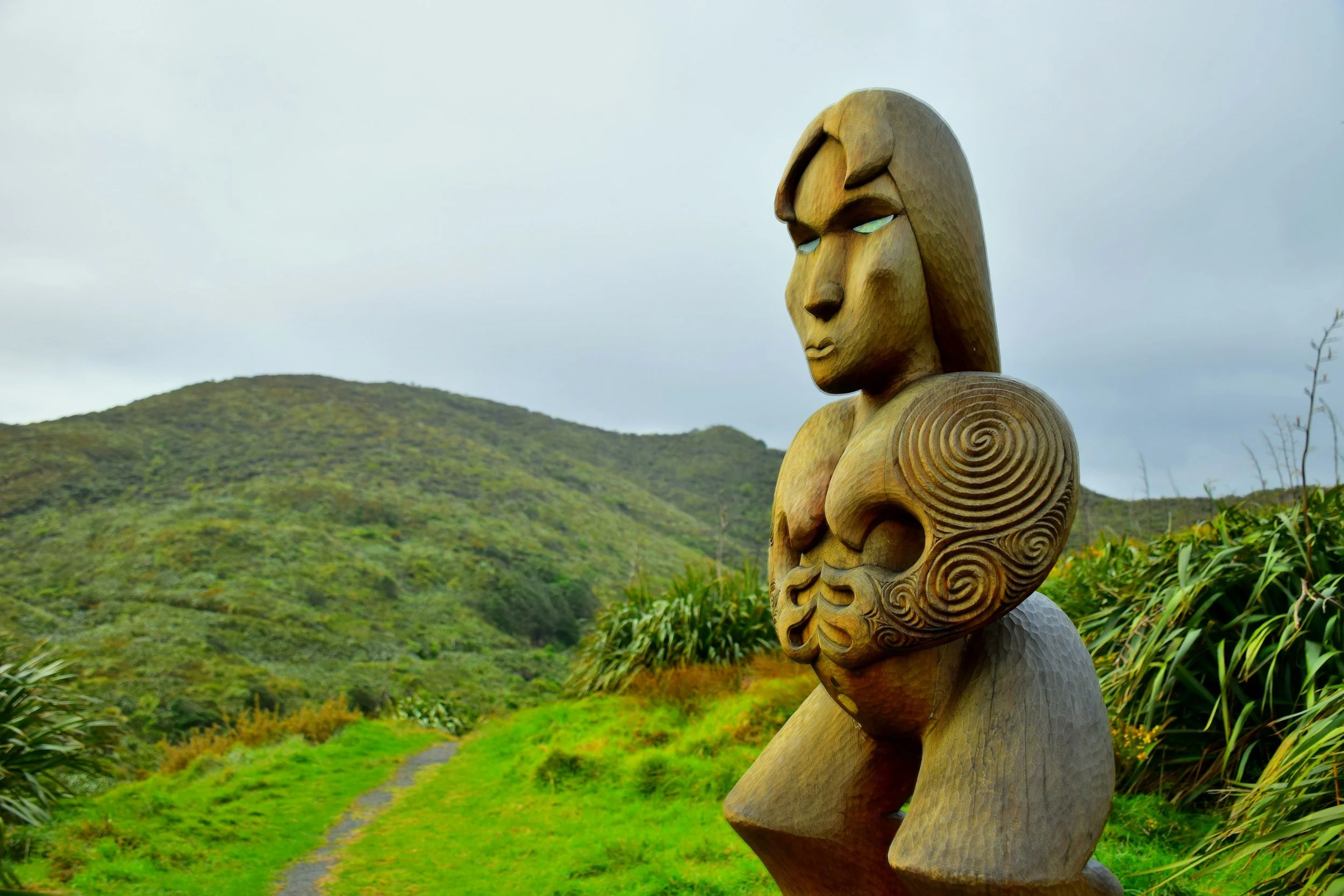
An independent, youth-led evaluation gave Ngā Mātai Pūrua a clear, evidence-based plan to grow mental health engagement at Good Juju Festival.
The Context
Ngā Mātai Pūrua's Good Juju Festival brought Melbourne's Māori and Pasifika communities together with health, sport and cultural programming at Errington Reserve, St Albans, backed by NRL Victoria, the New Zealand High Commission, Brimbank City Council, and Māori and Pacific Islander wellbeing organisations. The festival's goal was to lift engagement with mental health support and strengthen community connection — but the organisers needed an independent, on-the-ground read on whether it was actually landing with attendees.
The challenge
The organisers needed an independent, on-the-ground read on whether the festival was actually landing with attendees, not just attendance numbers, but whether the mental health and cultural programming specifically was working.
Our approach
Culture Spring's youth-led team attended and evaluated the festival as participant-observers, gathering qualitative data across activities, attendee diversity, and event logistics. Findings were benchmarked directly against the festival's own stated aims — community wellbeing, mental health impact, cultural preservation, and social-economic impact — rather than generic satisfaction metrics.
The impact
The evaluation surfaced a clear pattern: strong engagement with outdoor sport and the Māori Wellbeing stall, against under-engagement with indoor cultural and mental health offerings caused by signage and wayfinding gaps. Culture Spring translated this into a concrete action plan — printed and QR wayfinding, MC-led programming, on-the-spot registration — giving Ngā Mātai Pūrua an evidence-based path to convert a one-off event into a repeatable, fundable model with measurably higher mental health service engagement.